
A journey where you walk between villages each day.
Your bags appear at the next hotel.
The day ends with a good meal, a glass of wine and the quiet satisfaction of having moved through the landscape under your own steam.
It’s a wonderful way to experience northern Spain.
The first question, of course, is always the same.
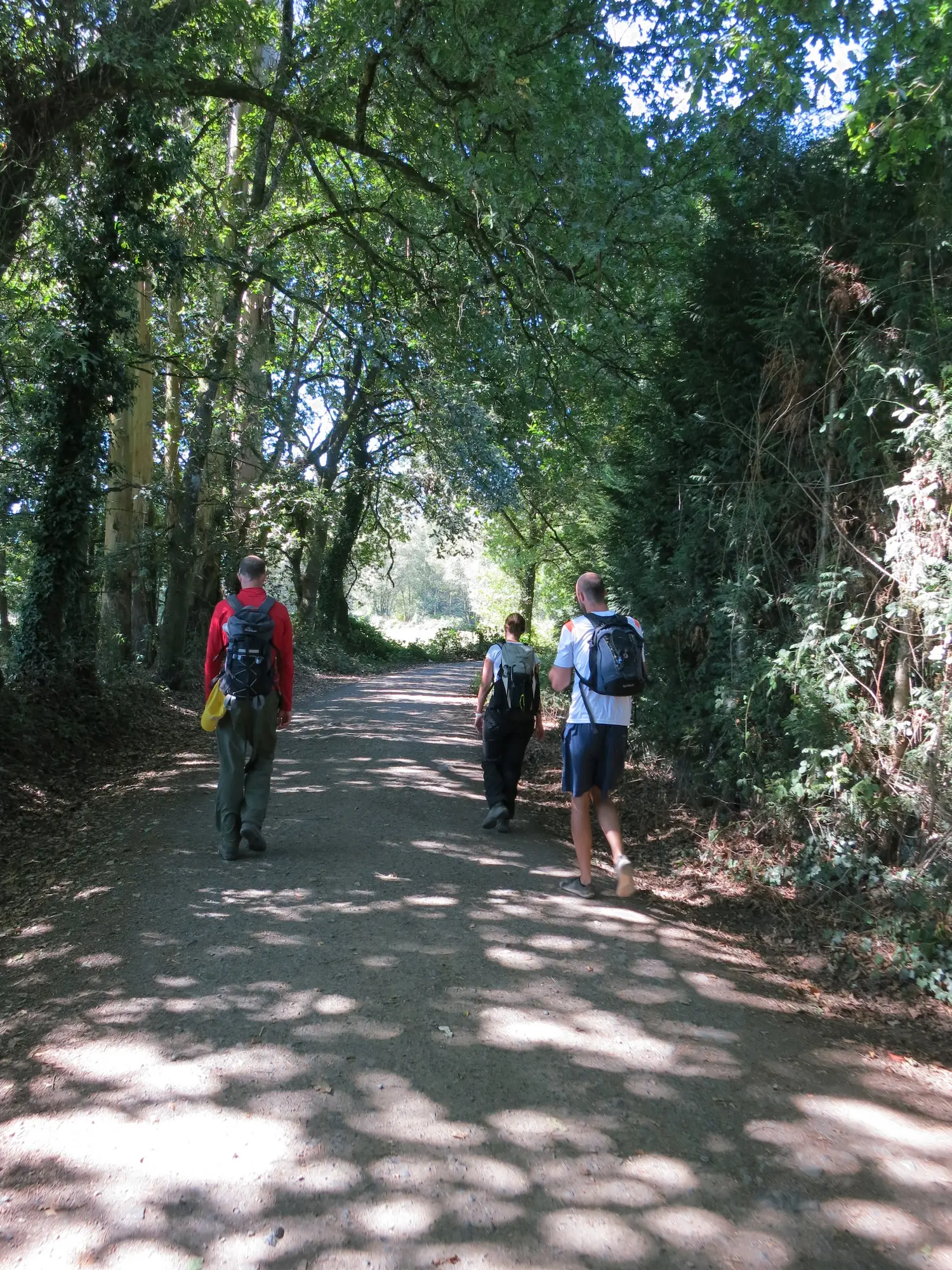
Which Camino should you walk?
The traditional walking style
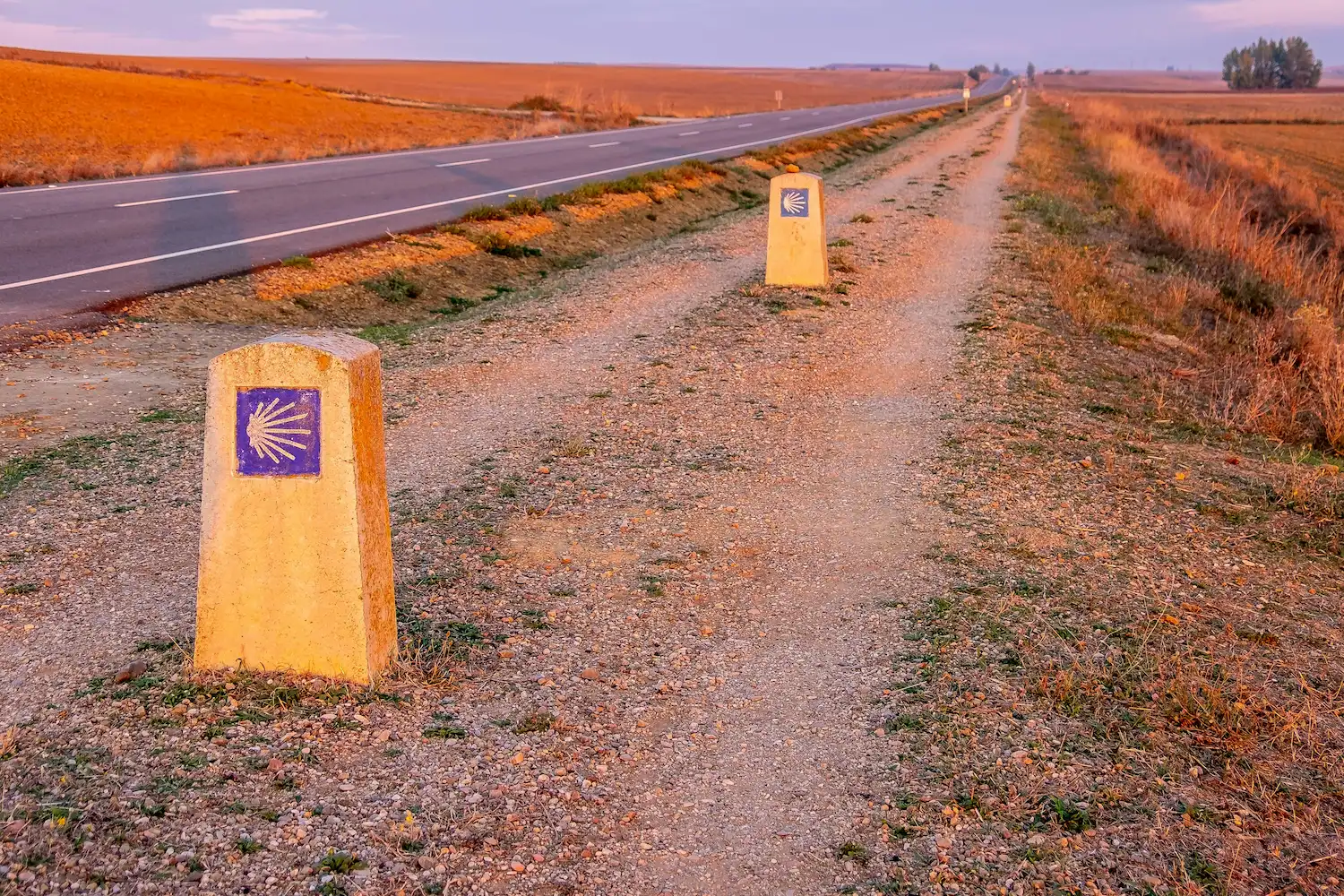
For many travellers, the appeal of the Camino lies in its rhythm.
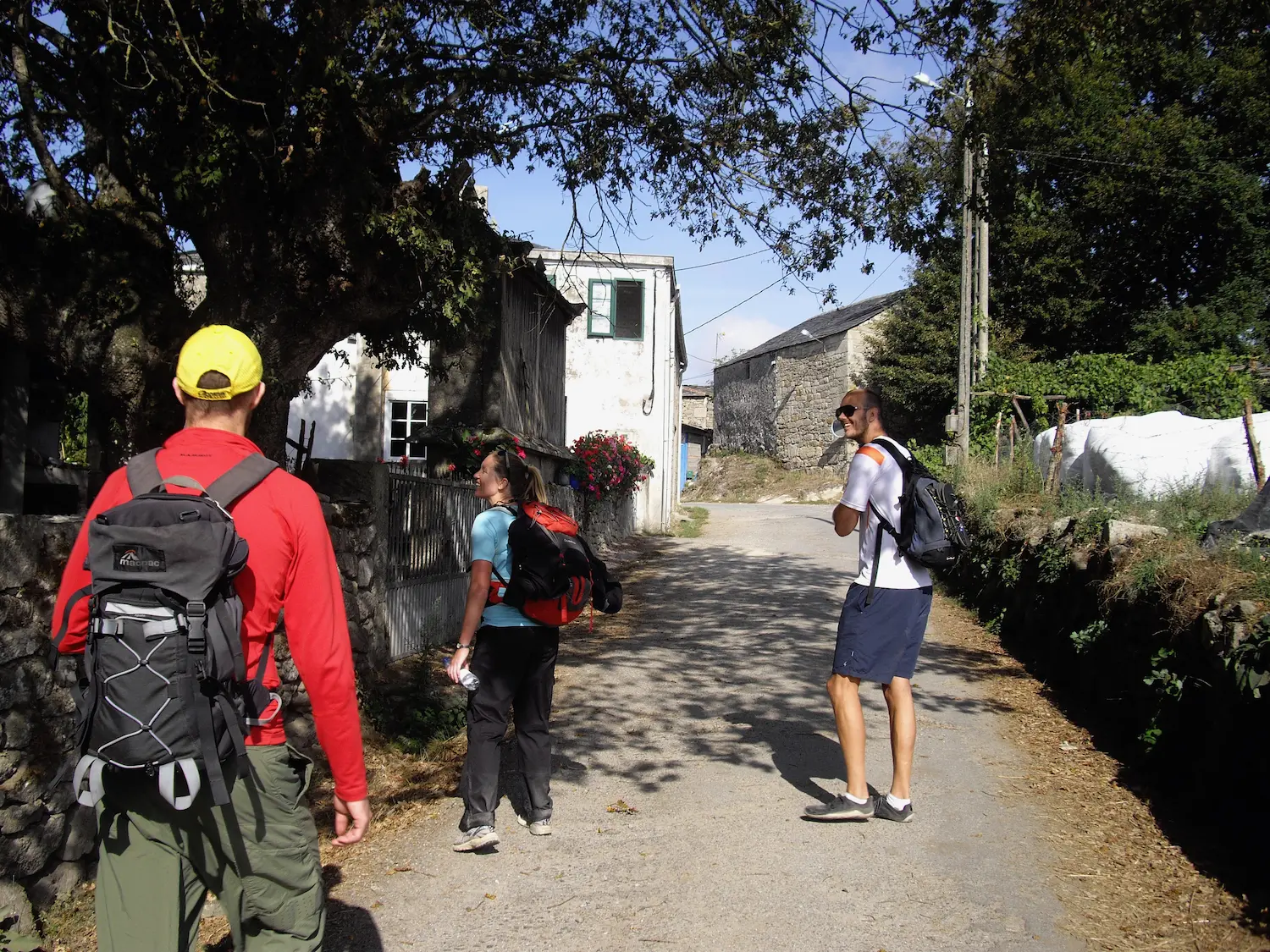
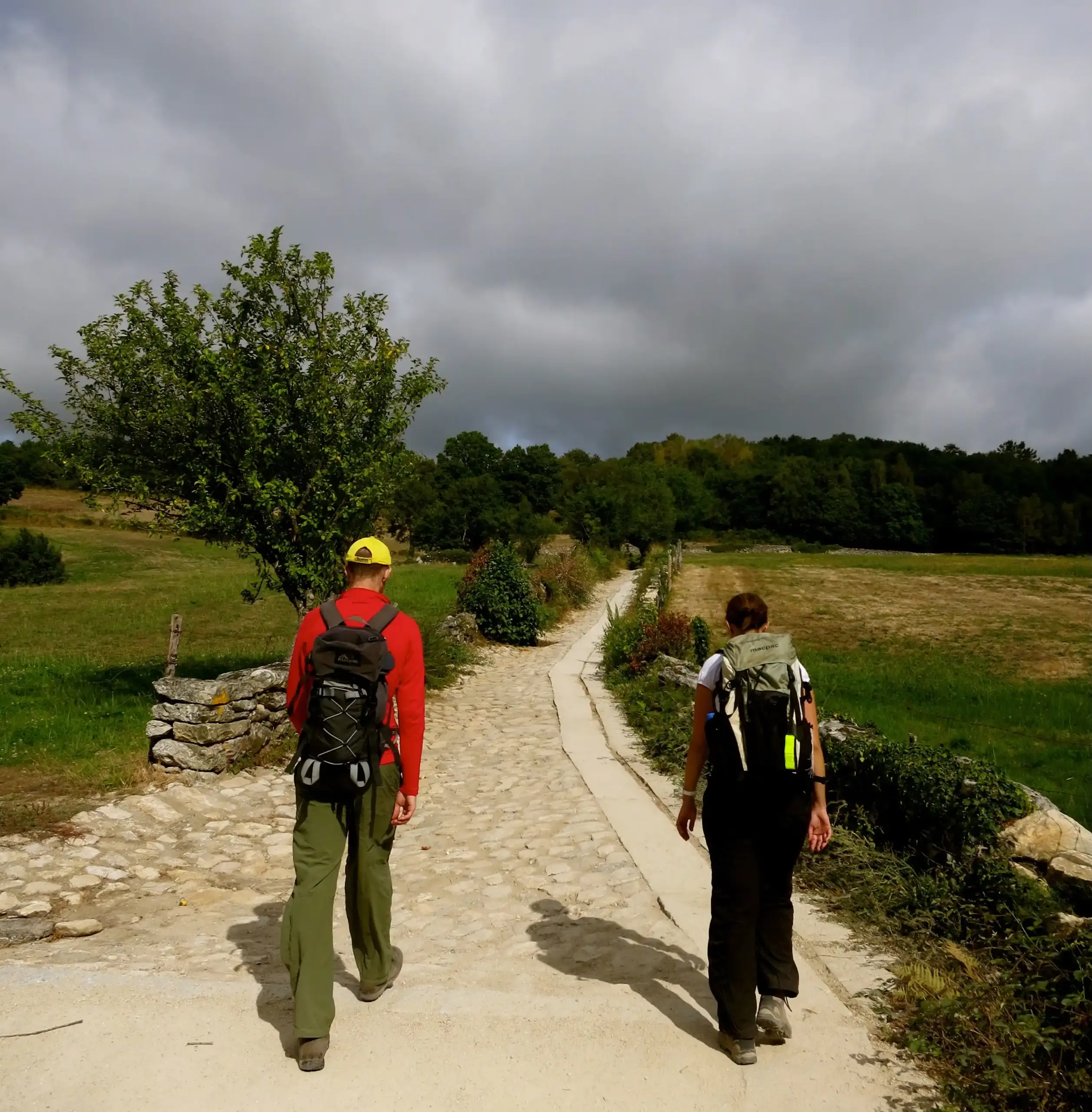
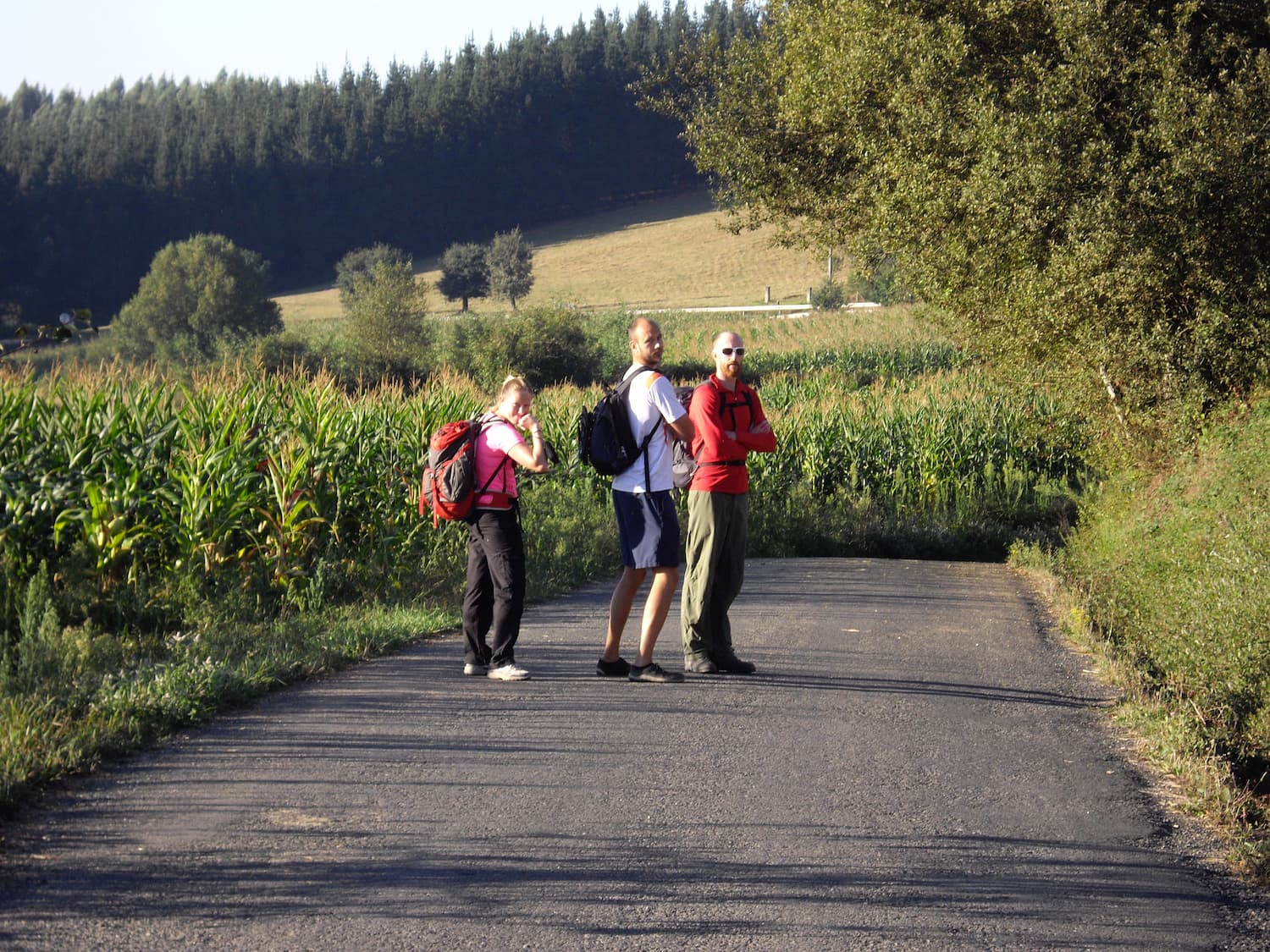
You wake in one town, walk through countryside and villages, and arrive somewhere new in the afternoon. Your luggage is transferred ahead of you, so all you carry during the day is a small pack.
It is simple, immersive and surprisingly satisfying.
For those who enjoy walking holidays but prefer a little comfort at the end of the day, we carefully select small hotels and guesthouses along the route, always with private rooms and ensuite bathrooms.
From there, the real decision begins: which route suits you best.
Camino Primitivo
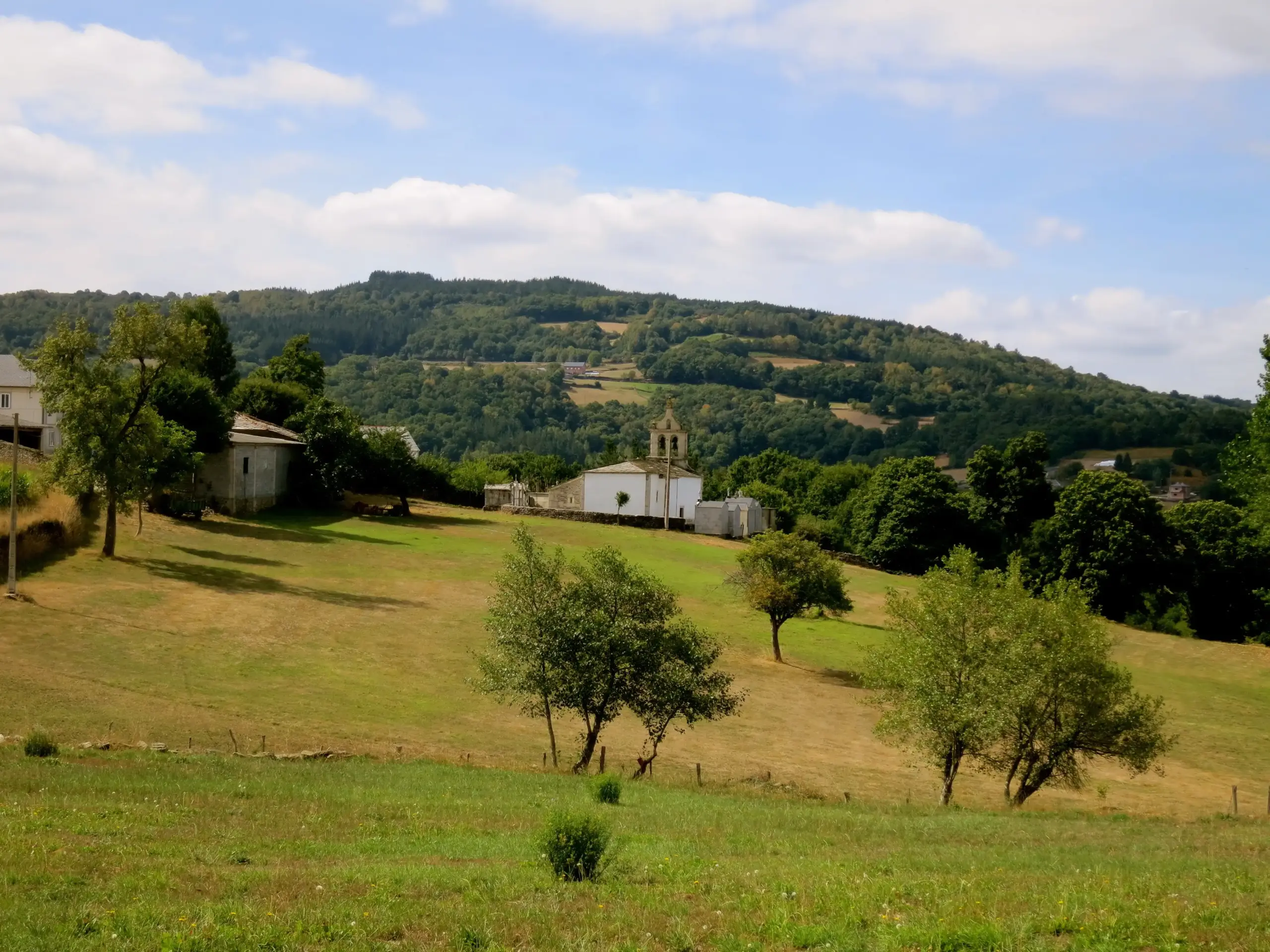
The Camino Primitivo is the original Camino route, winding through the rural interior of Galicia.
It passes through stone villages, farmland and quiet mountain landscapes. In many ways it feels like the most authentic version of the Camino.
But it is also one of the more physically demanding routes, with steeper climbs and more rugged terrain.
Accommodation and food tend to be simpler as well. Charming, but generally closer to the three-star category.
For travellers seeking a more traditional and rustic Camino experience, it can be incredibly rewarding.
Portuguese Coastal Camino
Here the path runs north along the Atlantic coast, through fishing villages, beaches and dramatic clifftop landscapes before crossing into Spain and continuing into Galicia.
The walking tends to be a little gentler and the accommodation options are often stronger, with several lovely four-star properties along the way.
And then there is the food.
This part of Spain is famous for its seafood, and the route passes through the Rías Baixas, the region that produces Albariño, one of Spain’s most beautiful white wines. Crisp, fresh and perfect after a day of walking.
For travellers who love the ocean, good restaurants and a slightly more comfortable Camino experience, this route often feels like the perfect balance.
The “best bits” option
Instead of walking one continuous section of the Camino, we can select some of the most beautiful stretches across northern Spain.
This might include sections through the Basque Country, Asturias and Galicia, including parts of the Camino Primitivo itself.
It creates an extraordinary journey, but there is one trade-off.
If you want to receive the official Camino certificate in Santiago, you must walk at least the final 100 kilometres consecutively. Cherry-picking sections means the certificate is not issued.
For some travellers that matters. For others, the experience itself is the real reward.
What a Camino journey might look like
A typical journey might look something like this:
A few days in Barcelona, perhaps for work or simply to settle into Spain.
Then travelling to the Camino starting point, depending on the route chosen.
From there, five to twelve days of walking, with the occasional rest day to slow the pace and enjoy the villages along the way.
The journey culminates in Santiago de Compostela, where pilgrims have been arriving for over a thousand years.
Two nights here allows time to explore the city, visit the cathedral and enjoy a final celebratory meal.
Experiences along the way
Along the way we can weave in experiences that deepen the journey.
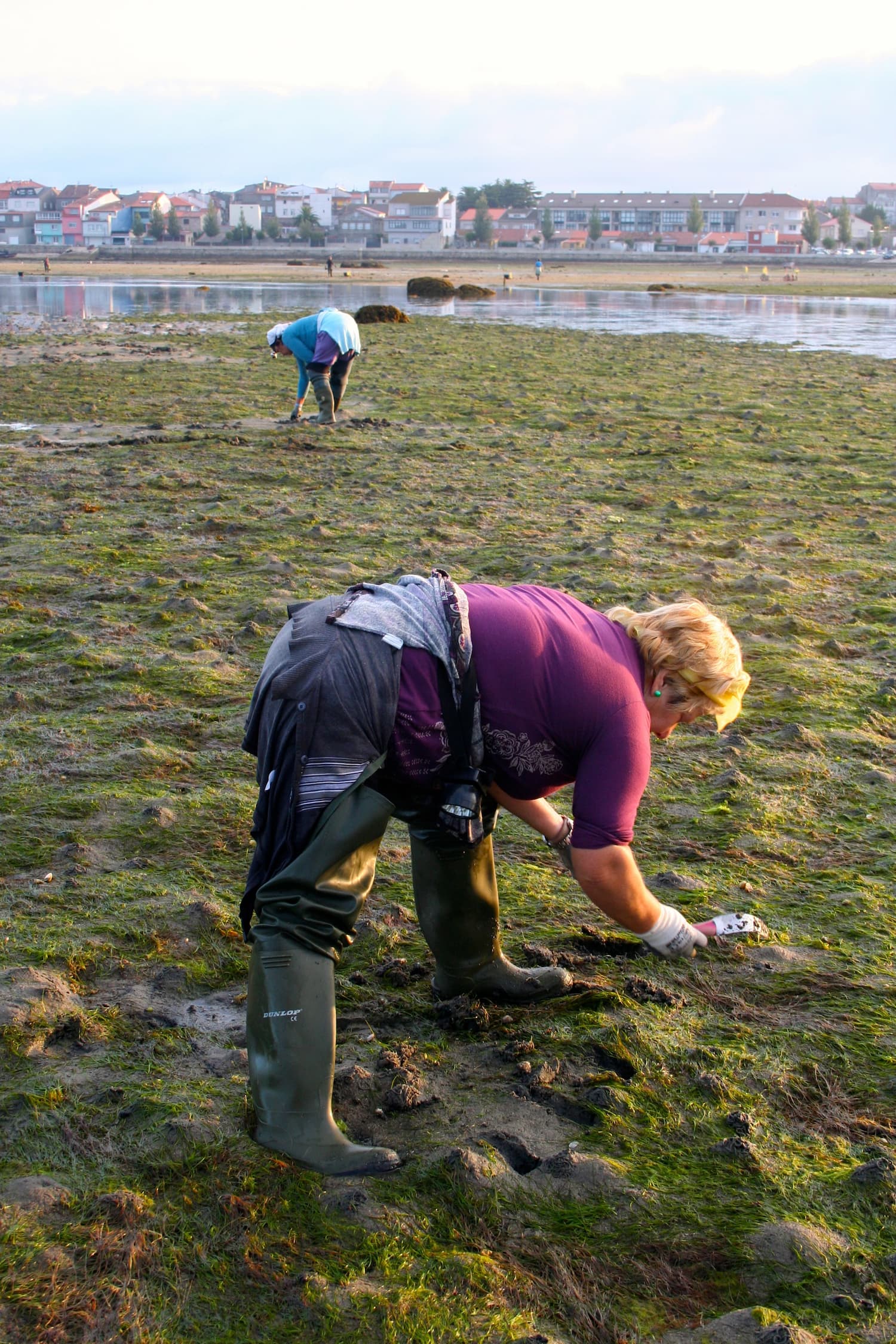
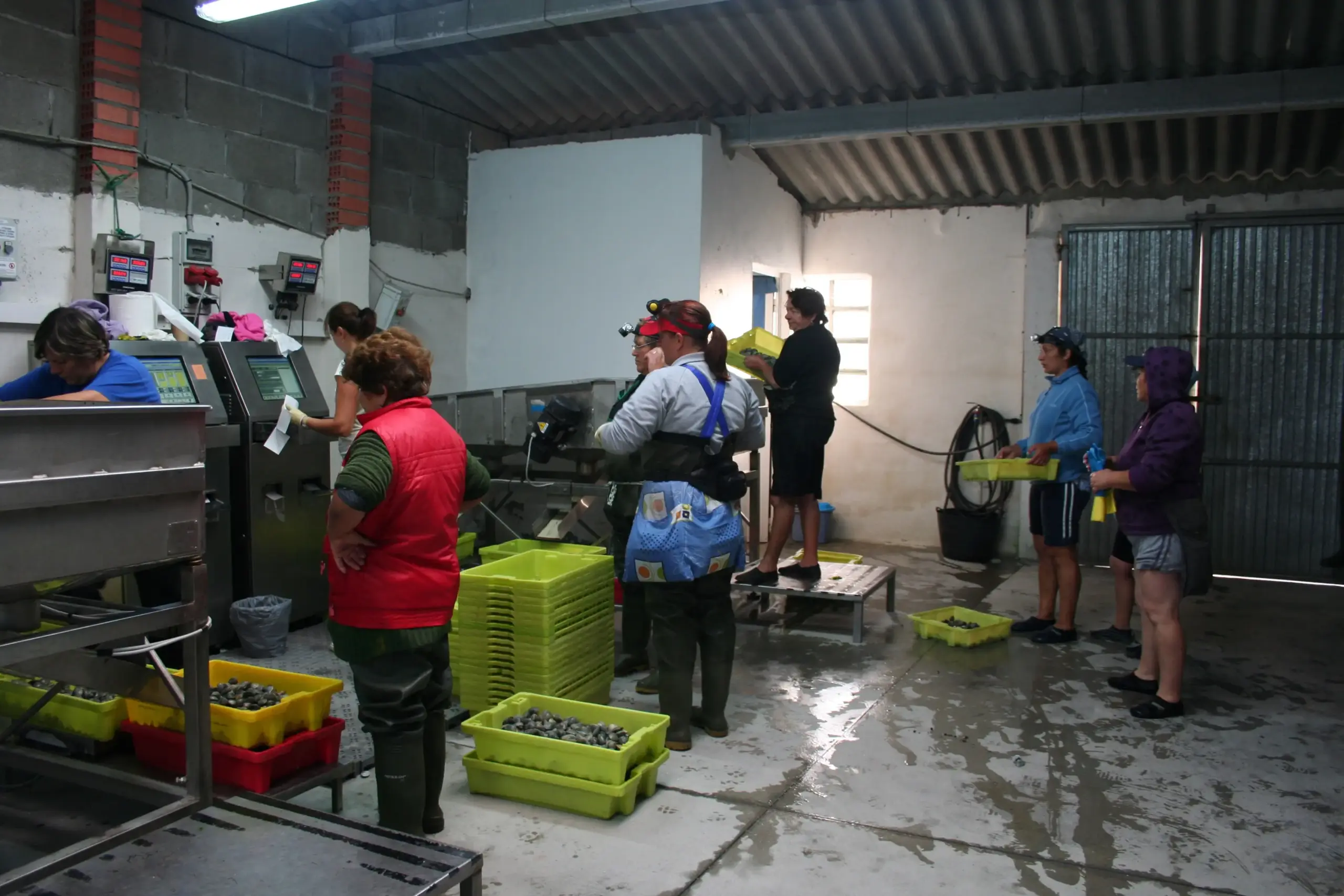
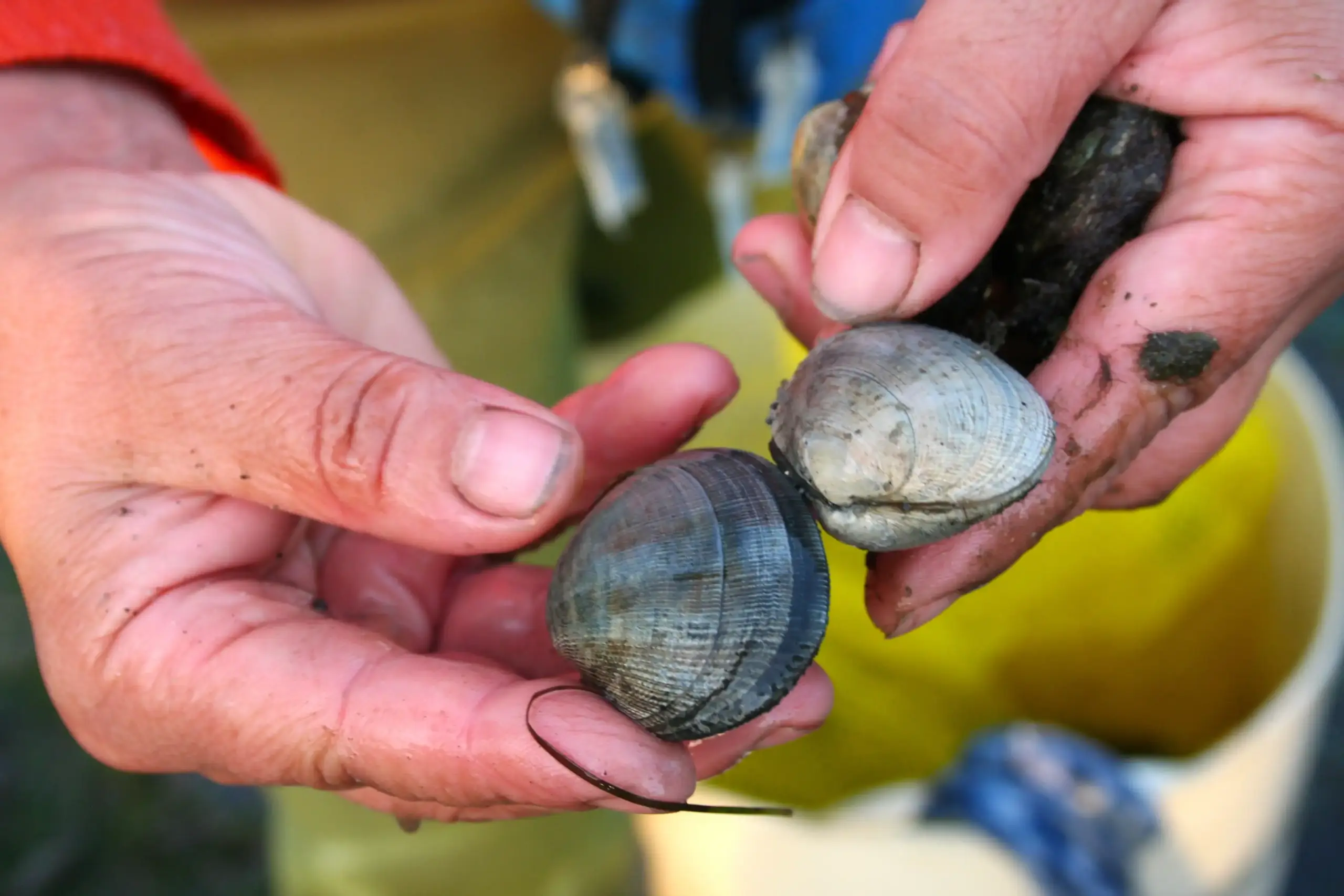
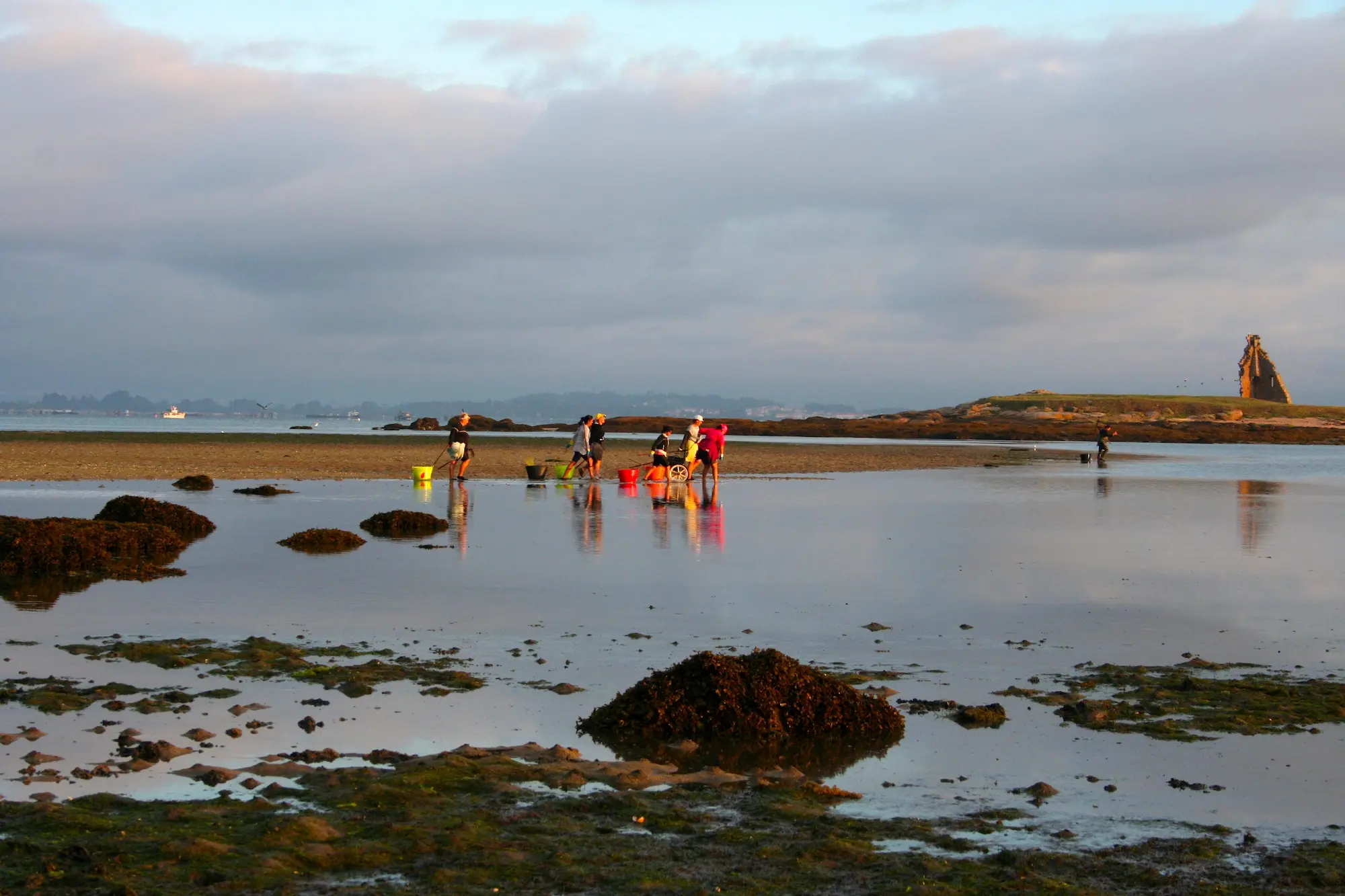
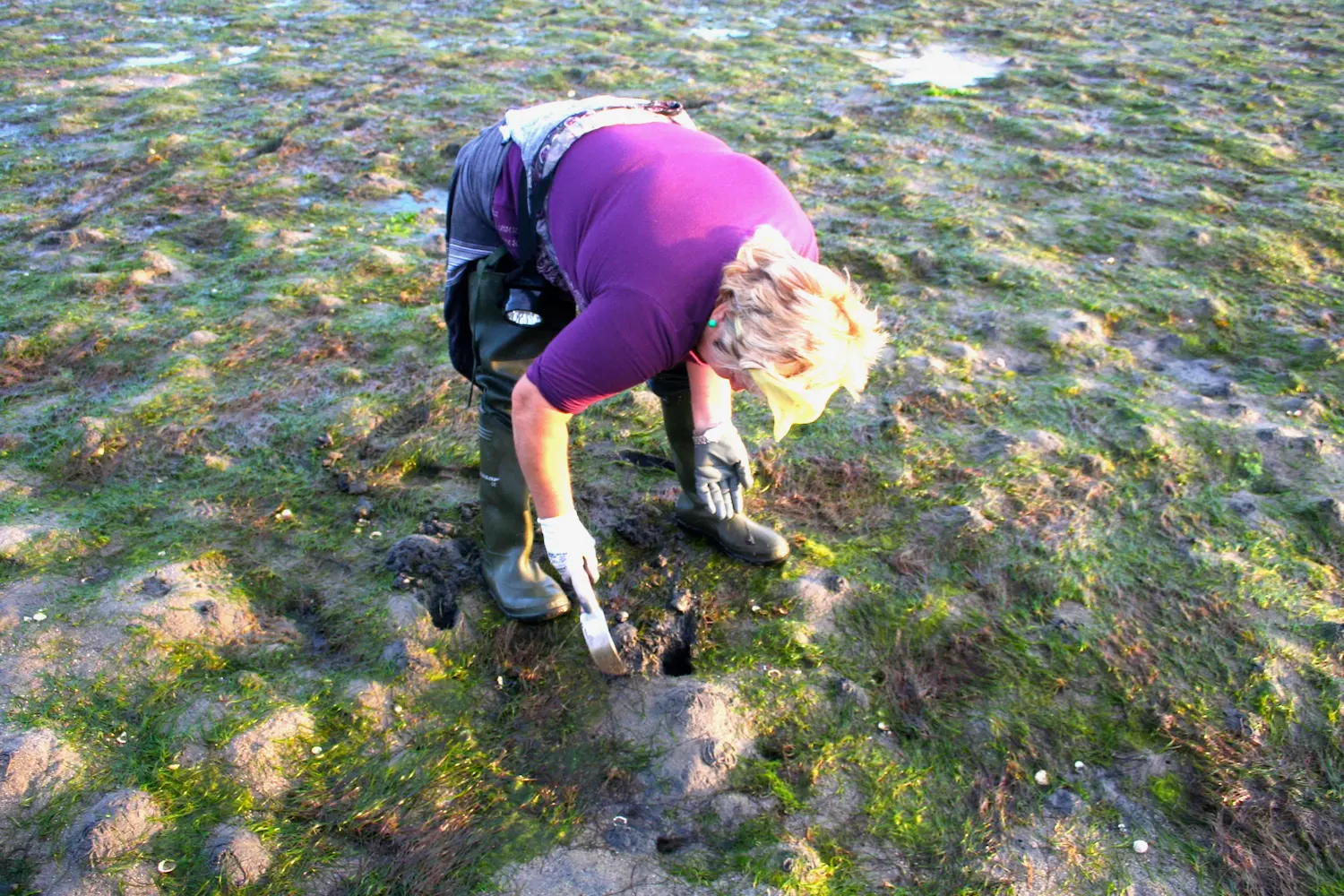
Visiting a women’s cooperative of mariscadoras, the shellfish harvesters who work the tidal flats and are helping regenerate Galicia’s seafood industry.
Sharing a traditional queimada ceremony, an ancient Galician ritual where aguardiente is set alight while an incantation is recited to ward off evil spirits.
Learning to cook pulpo a la feira, Galicia’s famous octopus dish.
Taking a boat out to the Islas Cíes, a group of wild islands just off the coast.
Or visiting the floating platforms where the region’s mussels are cultivated.
There is even the chance to watch the daring harvest of percebes, a rare shellfish clinging to wave-battered rocks that locals consider one of the great delicacies of the sea.
Extending the journey
You might spend time in Porto, wander the streets of Lisbon, or visit the vineyards of the Douro Valley.
One of my personal favourites is Ribeira Sacra, a little-known wine region in Galicia where steep vineyards cascade down into dramatic river canyons. It remains wonderfully undiscovered.
For travellers who love food, landscape and culture, it’s a spectacular part of Spain.
The Real Magic of the Camino
You walk.
You eat well.
You sleep deeply.
Days become measured not in emails or meetings, but in kilometres walked and villages passed through.
And by the time you arrive in Santiago, something has quietly shifted.
Not dramatically.
But enough.
Which is, perhaps, exactly the point.

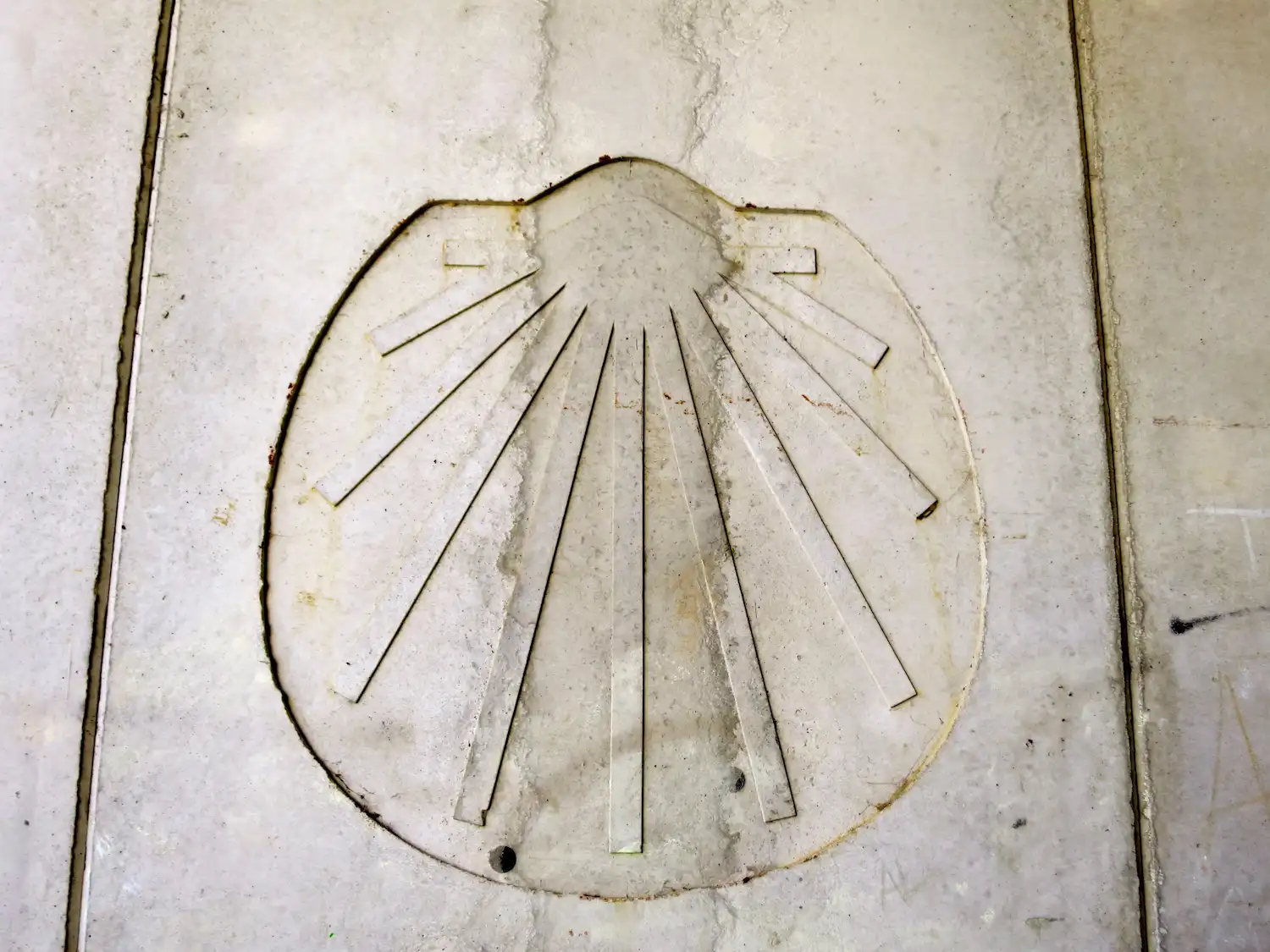
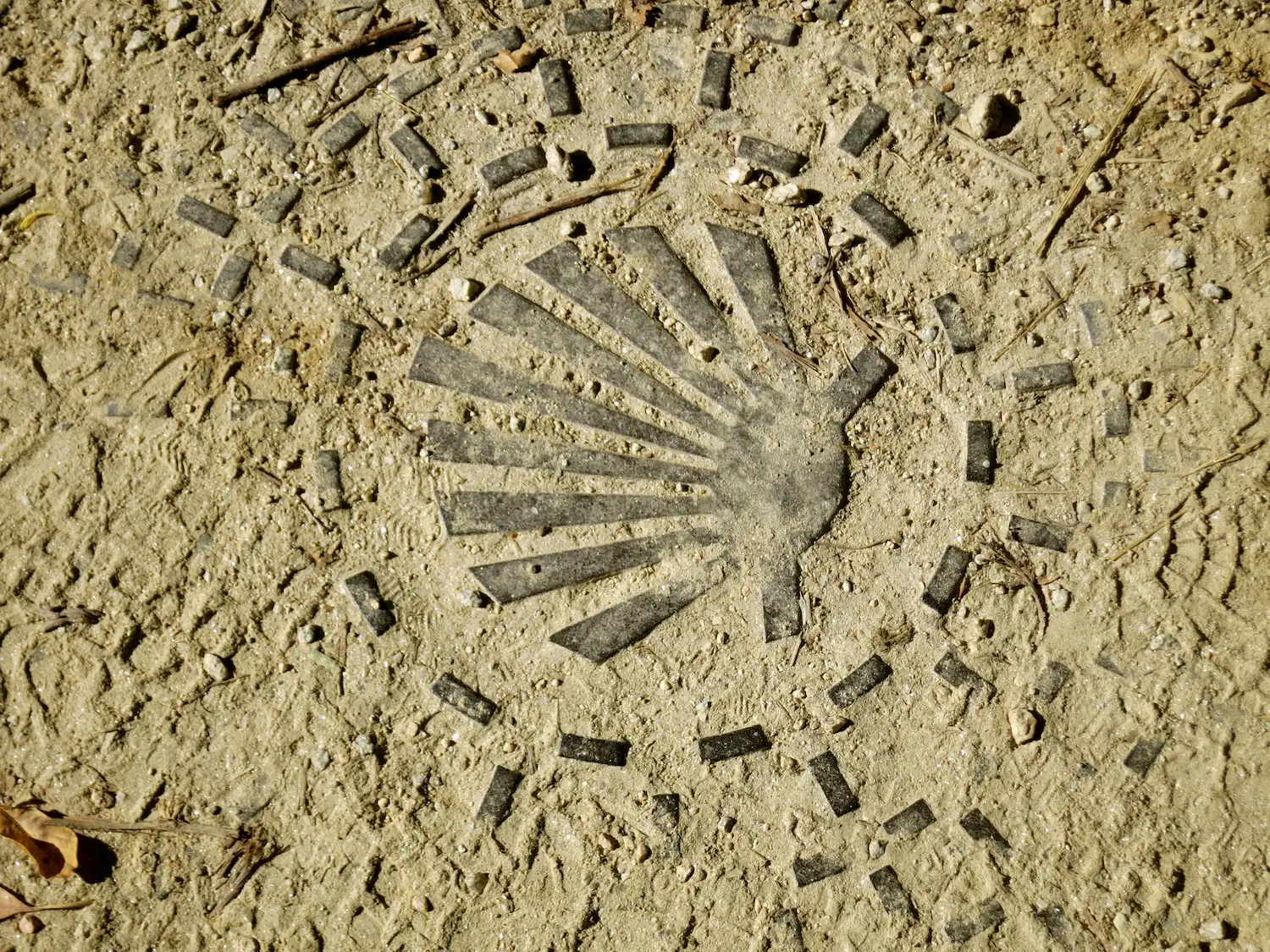
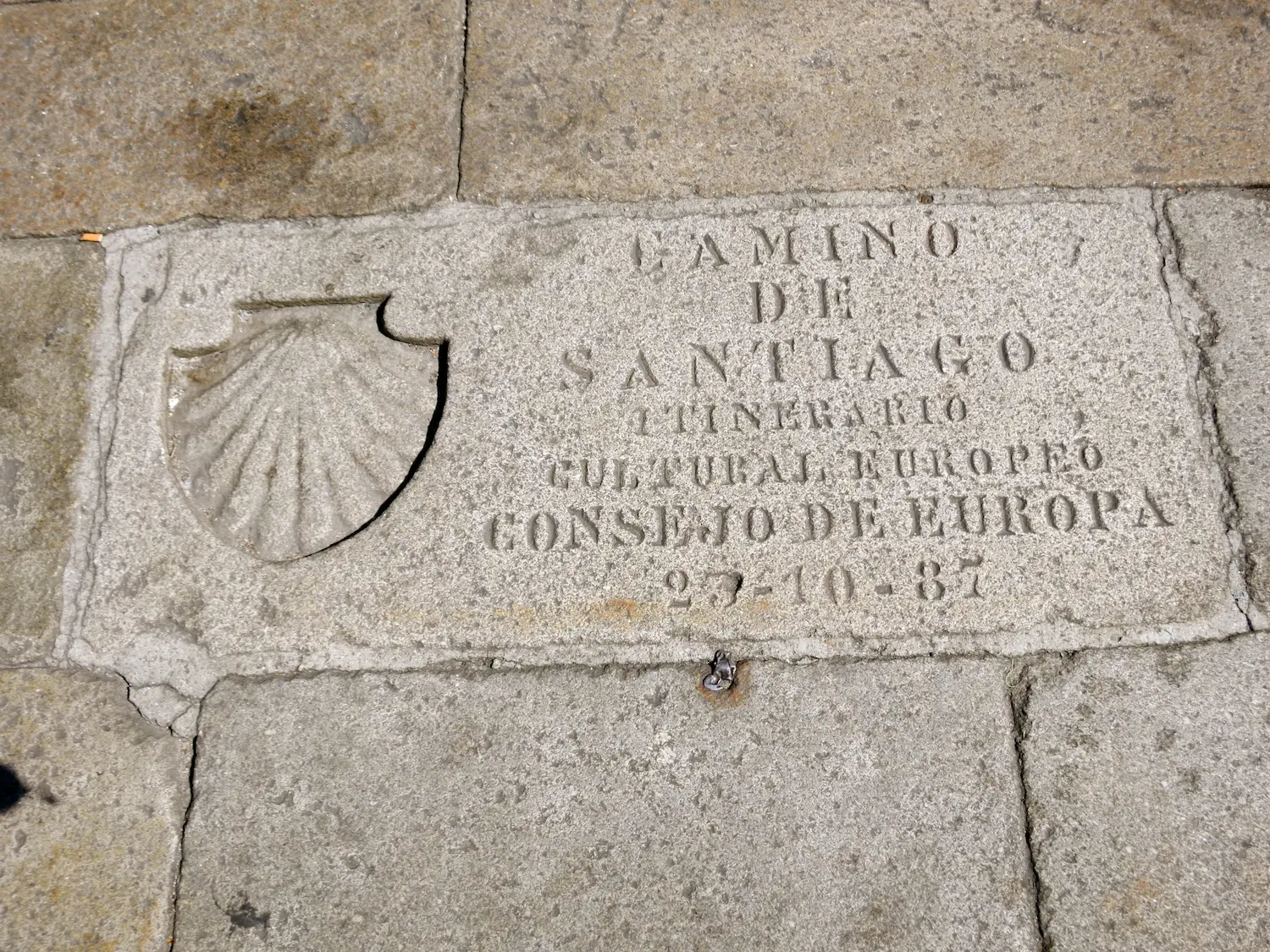
Moments From The Camino
Continue Your Journey Through Spain
Travel Journal
One of the biggest things I try to do—through everything I create—is help people live la buena vida. The good life. Not just when you’re on holiday....
A Love Letter to the Basque Country
The more time I spend working in the Basque Country, the more I fall in love with it. The landscape is spectacular: green hills rolling towards the...
A Love Letter to Mallorca
I’ve lost count of how many times I’ve been to Mallorca, but I’ll admit: it wasn’t always a favourite. The island is stunning, but some of its most...